

 新聞中心

 服務(wù)熱線電話
400-6188-756
 公司動(dòng)態(tài)

換溶劑別只問“能不能溶”
來源:http://m.sflrw.com/ 時(shí)間: 2026-11-14 瀏覽次數(shù): 0
碳?xì)淝逑礄C(jī)買回來,車間非常常干的一件事:換批零件,油不一樣了,洗不干凈,第一反應(yīng)是"換種碳?xì)淙軇┰囋?。采購拿個(gè)MSDS過來,看閃點(diǎn)、看KB值,覺得差不多就下單。結(jié)果洗了三天,蒸餾釜開始起泡、超聲槽漂油花、干燥完工件表面發(fā)霧。
The most common task in the workshop when buying a hydrocarbon cleaning machine is to change the batch of parts. If the oil is different and cannot be cleaned thoroughly, the first reaction is to "try changing the hydrocarbon solvent". Bring an MSDS for procurement, check the flash point and KB value, and place an order if they are similar. After washing for three days, the distillation kettle began to bubble, the ultrasonic tank floated oil droplets, and after drying, the surface of the workpiece became foggy.
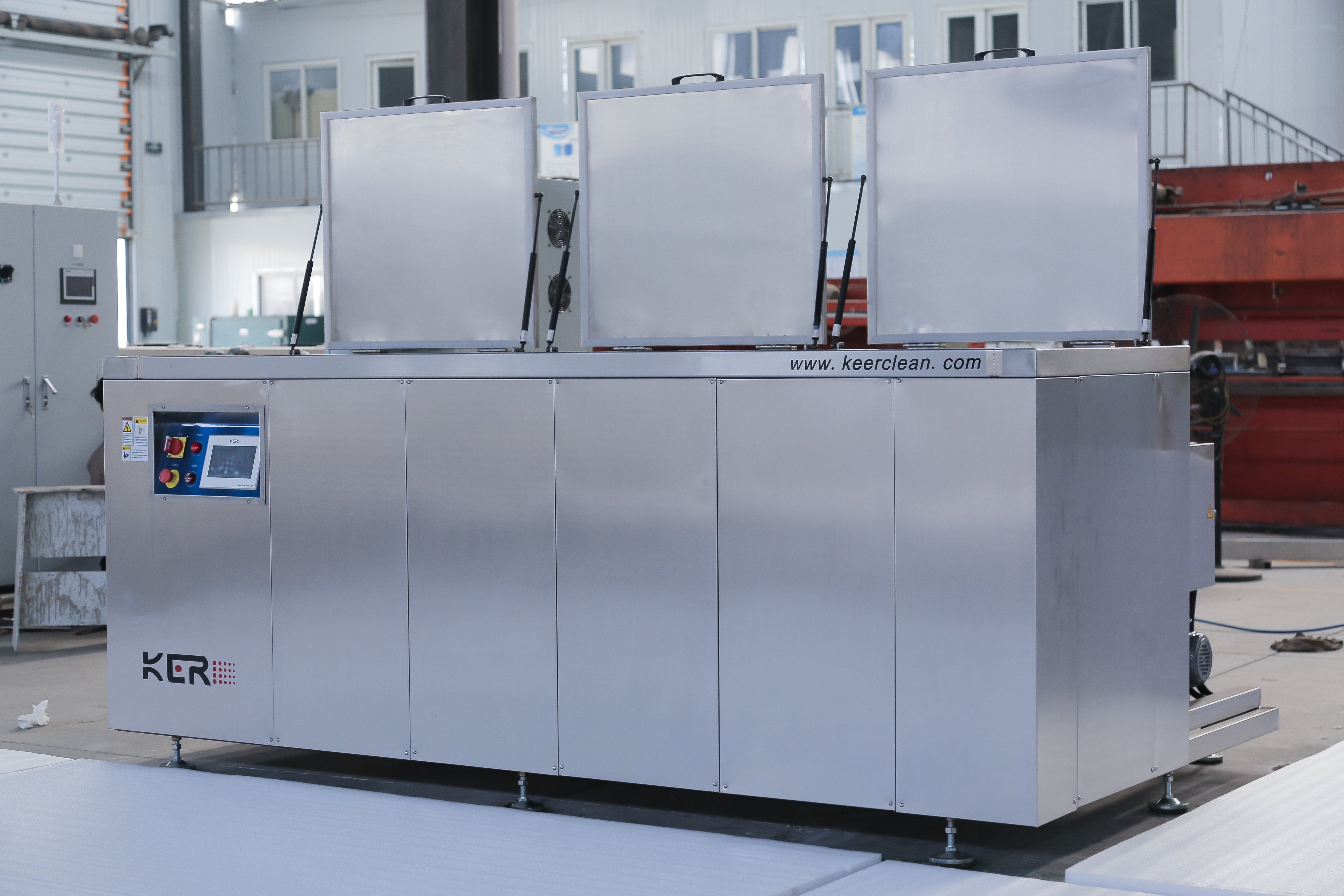
問題出在:碳?xì)洳皇菃我换瘜W(xué)品,是C9–C16烷烴的混合物,不同餾分"性格"完全不同。
The problem lies in the fact that hydrocarbons are not a single chemical, but a mixture of C9-C16 alkanes, and the "characteristics" of different fractions are completely different.
按油污選餾分,不按價(jià)格選
Select fractions based on oil pollution, not based on price
輕餾分(C9–C11,沸點(diǎn)150–180℃):滲透快、揮發(fā)快,適合輕油、脫脂、表干要求高的小件;但溶解力弱,重防銹油泡半天還是膜;
Light fractions (C9-C11, boiling point 150-180 ℃): fast permeation and volatilization, suitable for small parts with high requirements for light oil, degreasing, and surface dryness; But the solubility is weak, and even after soaking in heavy rust proof oil for half a day, it still forms a film;
中餾分(C11–C13,沸點(diǎn)180–220℃):平衡型,多數(shù)切削油、拉伸油能溶,干燥溫度適中,通用優(yōu)選;
Medium distillate (C11-C13, boiling point 180-220 ℃): Balanced type, most cutting oils and stretching oils are soluble, with moderate drying temperature, commonly preferred;
重餾分(C13–C16,沸點(diǎn)220–280℃):溶解力強(qiáng),拋光蠟、厚油脂、交聯(lián)固化殘膠能啃動(dòng);但沸點(diǎn)高,真空干燥負(fù)擔(dān)大,低溫下工件表面易留軟膜。
Heavy fraction (C13-C16, boiling point 220-280 ℃): Strong solubility, able to gnaw on polishing wax, thick grease, and cross-linked curing residue; But the boiling point is high, the burden of vacuum drying is heavy, and a soft film is easily left on the surface of the workpiece at low temperatures.
換溶劑前先做三件事
Do three things before changing the solvent
測(cè)舊油污的溶解性:取少量廢油滴入候選溶劑,看是"瞬間散開"還是"團(tuán)成球"。團(tuán)成球的溶劑,批量洗必留殘膜;
Measure the solubility of old oil stains: Take a small amount of waste oil and drop it into the candidate solvent to see if it "instantly disperses" or "clumps into balls". The solvent used to form balls will leave residual film after batch washing;
查沸點(diǎn)跨度:窄餾分(沸點(diǎn)區(qū)間<30℃)蒸汽浴洗均勻、干燥干凈,但貴;寬餾分便宜但干燥時(shí)輕組分先跑、重組分殘留,表面發(fā)黏;
Check boiling point range: narrow fractions (boiling point range<30 ℃) are evenly washed and dried in a steam bath, but expensive; Wide fractions are cheap, but when dried, light components run away first, heavy components remain, and the surface becomes sticky;
看閃點(diǎn)和車間防爆等級(jí)的匹配:低閃點(diǎn)(<40℃)溶劑在普通防爆區(qū)可能不合規(guī),別只看"碳?xì)涠疾畈欢?。
Match between flash point and workshop explosion-proof level: Low flash point (<40 ℃) solvents may not comply with regulations in ordinary explosion-proof areas, don't just look at "carbon and hydrogen are similar".
溶劑混用是大忌
Mixing solvents is a major taboo
現(xiàn)場(chǎng)常見:舊槽里還剩半槽中餾分,新到的輕餾分直接倒進(jìn)去"調(diào)稀"。結(jié)果餾分交叉,蒸汽浴洗時(shí)冷凝不均勻,工件表面出現(xiàn)"淚痕"狀油紋。不同批次、不同供應(yīng)商的碳?xì)洌词箻?biāo)稱KB值一樣,芳烴含量和硫含量不同,混用后蒸餾再生時(shí)容易起泡帶液,臟溶劑跟著干凈溶劑一起回到漂洗槽。
On site common: Half of the distillate in the old tank remains, and the newly arrived light distillate is directly poured into the "dilution" tank. As a result, the fractions intersected and the condensation was uneven during steam bath washing, resulting in "tear like" oil streaks on the surface of the workpiece. Different batches and suppliers of hydrocarbons, even if the nominal KB value is the same, have different aromatic and sulfur contents. When mixed and distilled for regeneration, they are prone to foaming and liquid carryover, and dirty solvents return to the rinse tank along with clean solvents.
蒸餾釜告訴你溶劑"老了"沒有
Distillation kettle tells you if the solvent is "old" or not
蒸餾殘?jiān)伾珡臏\黃變深棕→溶劑中高沸物累積,溶解力下降;
The color of the distillation residue changes from light yellow to dark brown, and high boiling point substances accumulate in the solvent, resulting in a decrease in solubility;
蒸餾過程中泡沫層超過視鏡1/3→溶劑里混了表面活性劑或水分超標(biāo);
During distillation, the foam layer exceeds 1/3 of the sight glass → the solvent is mixed with surfactant or the moisture exceeds the standard;
回收液冷卻后渾濁分層→兩種不互溶的碳?xì)浠煸谝黄鹆耍蛘哌M(jìn)了水基清洗劑殘留。
After cooling, the recycled liquid becomes turbid and layered, resulting in the mixing of two immiscible hydrocarbons or residual water-based cleaning agents.
驗(yàn)收新溶劑帶三滴
Acceptance of new solvent with three drops
不靠供應(yīng)商的"典型數(shù)據(jù)表"。到貨后取:
Not relying on the supplier's' typical data sheet '. After arrival, pick up:
一滴涂鋁片上,80℃烘干看殘跡(有黃斑說明含硫或芳烴超標(biāo));
On a drop of coated aluminum sheet, dry at 80 ℃ to see the residue (yellow spots indicate excessive sulfur or aromatic hydrocarbons);
一滴加等量廢水,搖勻靜置看分層速度(>5分鐘不分層說明親水雜質(zhì)多);
Add an equal amount of wastewater in one drop, shake well and let it stand to observe the stratification speed (>5 minutes without stratification indicates more hydrophilic impurities);
一滴滴在已知油污的試片上,計(jì)時(shí)完全溶解的秒數(shù),對(duì)比舊溶劑。
Drop by drop on a test piece with known oil stains, measure the number of seconds until completely dissolved, and compare with the old solvent.
碳?xì)淝逑礄C(jī)的溶劑選型,不是"買桶溶劑倒進(jìn)槽",是把"工件油污—餾分匹配—沸點(diǎn)窗口—蒸餾再生—防爆合規(guī)"對(duì)上號(hào)。換批零件洗不干凈,先拿滴管做溶解實(shí)驗(yàn),比換設(shè)備參數(shù)管用。
The solvent selection for hydrocarbon cleaning machines is not about "buying barrels of solvent and pouring them into the tank", but about aligning "workpiece oil stains - fraction matching - boiling point window - distillation regeneration - explosion-proof compliance". The replacement parts cannot be cleaned thoroughly. First, use a dropper to conduct a dissolution experiment, which is more effective than changing the equipment parameters.


 魯公網(wǎng)安備37011202000628號(hào)